Roofing
9 Signs You Need a New Roof (and 3 That Can Wait)
By Paragon Exteriors LLC · Updated March 2, 2026
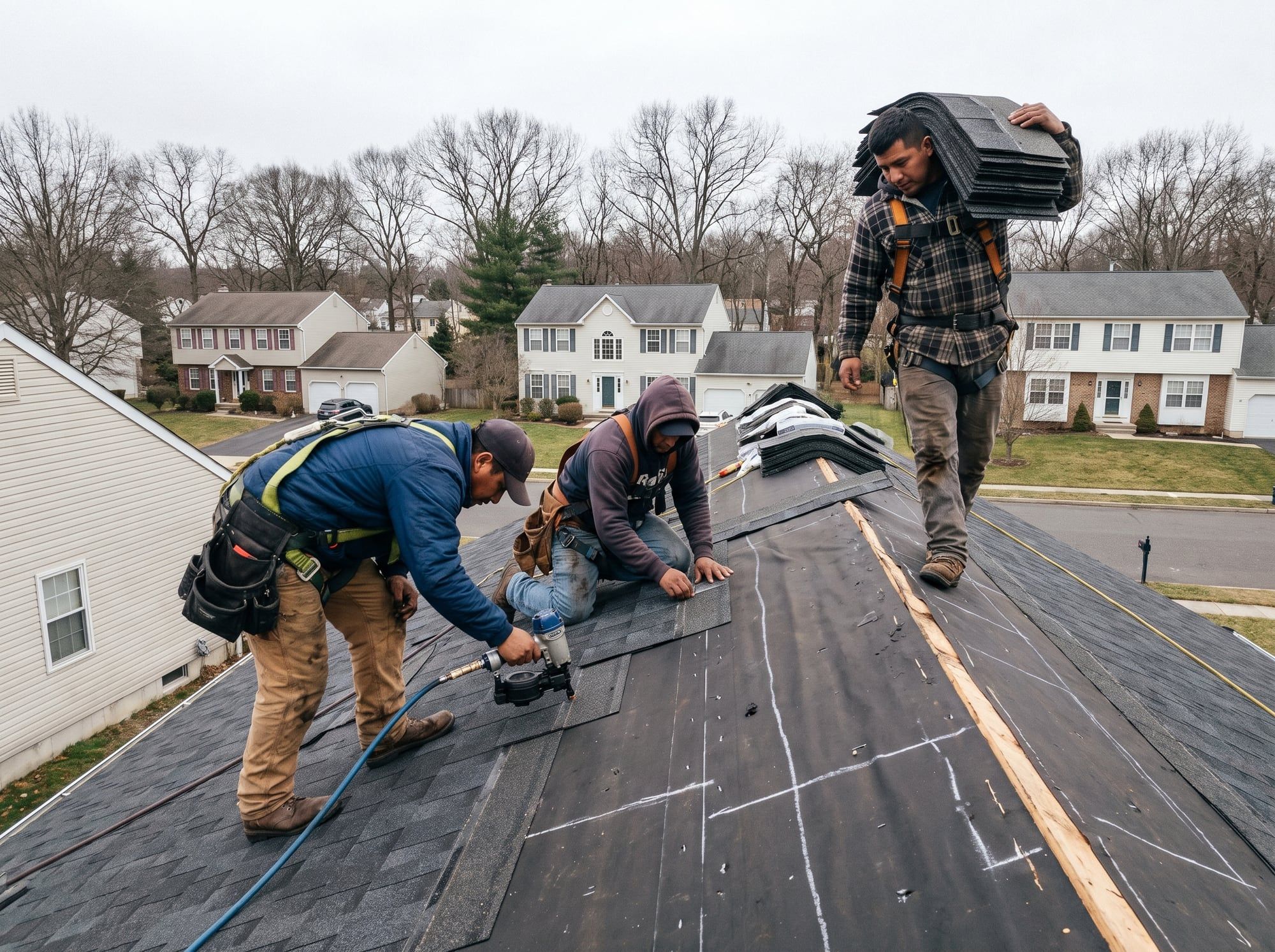
The short answer
When should roof age trigger a closer condition review?
A roof around 20 years old deserves closer condition review, especially when wear is widespread or repairs repeat. Age alone does not decide replacement. A useful review covers active leaks, shingle condition, flashing, decking, ventilation, and damage distribution before a homeowner compares a documented repair scope with replacement.
You need a new roof when the damage is spread across the whole surface, when the roof is past 20 years old, or when you are chasing the same leak for the second or third time. You need only a repair when the problem is isolated — a dozen shingles off after a storm, one bad pipe boot, a single flashing leak — on a roof that is otherwise sound and under about 15 years old. Age and how widespread the wear is are the two numbers that settle almost every case. Everything below is how a working roofer reads those two numbers.
First, know how old your roof actually is
How does roof age affect replacement timing?
Roof age is a strong replacement signal, but expected life varies by material and coastal exposure. The guide’s table lists Architectural asphalt separately from older shingle, metal, and cedar systems. Closing papers, permits, or prior invoices can establish installation timing, while salt, ultraviolet exposure, and nor’easter movement may shorten Shore-area service life.
Age is the single strongest predictor, so pin it down before you climb a ladder or call anyone. Check your closing documents, a permit record with your township, or the date on the last invoice in a kitchen drawer. Then compare it to how these materials really hold up at the Shore:
| Roof type | Rated life | Real Jersey Shore life |
|---|---|---|
| 3-tab asphalt (older builds) | 20–25 yrs | 15–20 yrs |
| Architectural asphalt | 25–30 yrs | 18–25 yrs |
| Standing-seam metal | 40–60 yrs | 35–50 yrs |
| Cedar shake | 25–40 yrs | 20–30 yrs |
The “real” column runs shorter because Ocean and Monmouth County roofs take a beating inland roofs don’t: salt in the air, UV bouncing off the water, and the wind-flex of every nor’easter working the shingles loose. If you’re on a barrier island or right on the bay, assume the bottom of the range. For the full picture, see our guide on how long a roof lasts in NJ.
9 signs you need a new roof
Which roof conditions point toward full replacement?
A sagging or wavy roofline is one sign that replacement may be needed. Widespread curling, bald areas, recurring granule loss, daylight through decking, expanding water stains, repeated repairs, widespread storm loss, and a soft deck provide related evidence. Multiple conditions on an older roof make a localized patch less likely to solve the underlying problem.
These are the ones where a repair is throwing good money after bad. One in isolation may not be decisive — but when you see two or three together on a roof over 18 years old, the decision is basically made.
- Shingles curling or cupping across whole slopes. Edges lifting or centers dishing means the asphalt has dried out and lost its grip. Widespread curling is end-of-life, not a patch job.
- Bald spots where the granules are gone. Those granules are the shingle’s sunscreen. Dark, smooth patches mean the mat underneath is now baking in UV — and it accelerates from there.
- Granules filling your gutters. A coffee-can’s worth of black grit in the gutters is your roof shedding its surface. A little after a new install is normal; a steady stream from an older roof is not.
- A sagging or wavy roofline. Sight down the ridge. If it dips, waves, or bows, moisture has likely gotten into the decking or rafters. This is a structural warning, not cosmetic — do not sit on it.
- Daylight through the roof boards in the attic. If you can see light coming through the deck from inside, water is getting through the same gaps. Grab a flashlight on a sunny day and look up.
- Water stains that keep spreading. Brown rings on ceilings or attic rafters that grow after each rain mean the leak isn’t isolated — the roof is failing at multiple points faster than any single repair can keep up.
- You’re on your third repair in a few years. Two visits can be bad luck. A third means the roof itself is the problem, and you’ve now spent a chunk of a replacement on patches. See our repair-vs-replacement breakdown for the tipping-point math.
- Widespread missing shingles after storms. A nor’easter tearing off a patch is a repair. But if wind keeps stripping shingles because the whole field has gone brittle, each storm just finds the next weak spot.
- A soft, spongy deck underfoot. When a roofer walks your roof and it gives like a wet sponge, the plywood beneath has rotted. You can’t shingle over rot — the deck has to come off and be rebuilt.
3 signs that can wait (or just need a repair)
Which roof problems may need only repair or monitoring?
Minor cosmetic algae streaks may need monitoring rather than roof replacement. A few storm-lost shingles on a newer roof or one flashing or pipe-boot leak may also remain localized repair decisions. Overall shingle condition and whether the defect has a single source separate these cases from widespread failure.
Not every problem is a five-figure problem. These are the ones where a good repair — or nothing at all yet — is the honest answer:
- A few shingles off after one storm, on a newer roof. If the roof is under 15 years old and the rest of the field is flat and healthy, a targeted roof repair matched to your shingle color puts you right back to watertight for a few hundred dollars. Don’t let anyone talk you into a tear-off over one bad storm.
- A single flashing or pipe-boot leak. Most leaks on otherwise-good roofs aren’t the shingles at all — they’re a cracked rubber pipe boot, a lifted step flashing at a wall, or a tired chimney seal. These are cheap, common, and fixable without touching the field.
- Minor cosmetic algae streaks. Those black stains streaking down northern-facing slopes are airborne algae, not decay. They’re ugly, not urgent. A proper cleaning or new algae-resistant shingles at the next replacement handles it — no emergency here.
The repair-vs-replace math, in plain numbers
How should homeowners compare repair and replacement costs?
A $300–$1,200 targeted repair can fit a younger roof with localized damage in this guide’s comparison. An older roof with broad wear, repeated repairs, or an active interior leak shifts the framework toward replacement. The comparison helps homeowners avoid funding a failing roof through repeated patches.
When the signs are mixed, run the money. Here’s the framework we actually use with homeowners:
| Your situation | Smart move |
|---|---|
| Roof under 15 yrs, damage in one spot | Repair — $300–$1,200 |
| Roof 15–20 yrs, first real leak | Repair, but start budgeting |
| Roof 20+ yrs, wear across the surface | Replace — $8,000–$18,000 |
| Third repair in 3 years | Replace — you’re funding it in pieces anyway |
| Active leak reaching the interior | Replace now — every week adds drywall and mold cost |
The trap is spending $1,000 on a 22-year-old roof that needs another repair within two seasons. Across a 10-year window, a full roof replacement is almost always the cheaper path once a roof is old and leaking. For the full cost breakdown, see what a roof replacement really costs in NJ.
When to move fast vs. when to plan
When can roof replacement be planned instead of rushed?
A worn roof that is still watertight may allow time for planned spring or fall work. Active water reaching the deck or ceiling changes the timing because freeze-thaw conditions can spread rot and moisture damage. Storm-related damage has a separate documentation clock when an insurance claim may be involved.
Timing changes the price. If your roof is worn but still watertight — no active leaks — you usually have room to plan the job for spring or fall, which beats an emergency winter replacement on both scheduling and cost. But the moment water is reaching the deck or the ceiling, waiting stops saving money. A delayed leak in an Ocean County winter means freeze-thaw driving water deeper, rot spreading through the deck, and mold in the insulation — a roof bill that quietly becomes a roof-plus-interior bill.
Storm damage is its own clock. Code-compliant installation and project records can support condition documentation, but the insurer determines coverage and claim outcomes under the policy. Related resources: homeowners insurance claim.
Get a straight answer on your roof
If you’ve counted two or three signs above and you’re not sure which side of the line you’re on, that’s exactly the call worth making. Paragon Exteriors is family-run and NJ HIC-registered (#13VH13814500), and we’ll tell you honestly whether you’re looking at a repair or a replacement — we do both, so we have no reason to oversell you one. Paragon serves Ocean, Monmouth, Middlesex & Burlington Counties and the Jersey Shore, NJ. Nearby service areas: Toms River.
Request your free estimate or call 848-633-6440. Current third-party financing options may be available, subject to lender disclosures, terms, and approval. Paragon is not a lender and does not guarantee approval or a particular payment. Related links: Request your free estimate and financing information.