Roofing
Roof Repair vs. Replacement: How NJ Homeowners Should Decide
By Paragon Exteriors LLC · Updated March 1, 2026
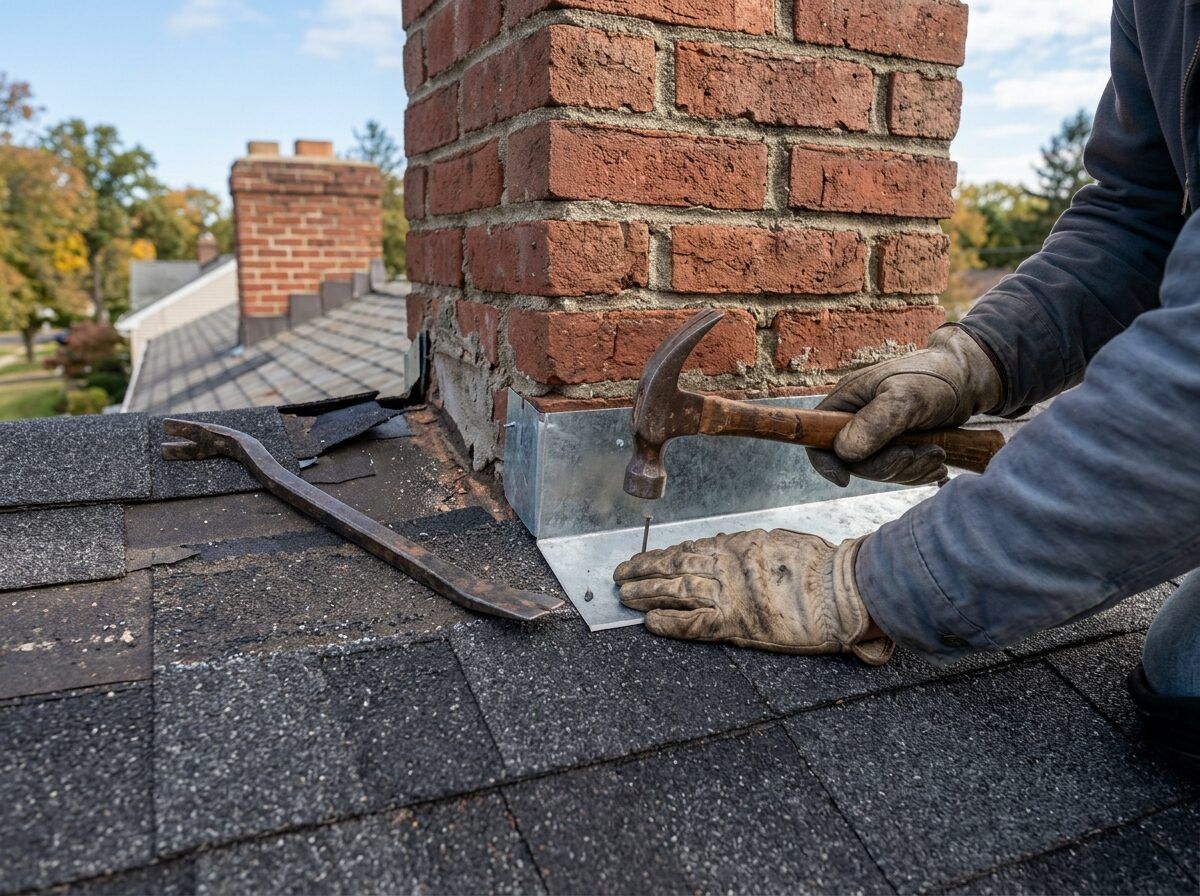
Repair or replace? The rule that decides it
When is roof repair more appropriate than replacement?
Repair is usually favored when a roof is under 15 years old and damage is isolated. Replacement becomes more appropriate when wear spans the surface or repeated repairs are accumulating. A single pipe-boot, flashing, or localized shingle problem on an otherwise sound roof differs from a failing field.
For most New Jersey homes, the decision comes down to three things: how old the roof is, how much of it is affected, and whether repeated repairs are already stacking up. Repair when the roof is under 15 years old and the damage is isolated to one area — a leak at a pipe boot, a few wind-lifted shingles, worn chimney flashing. Replace when the roof is 20+ years old, the shingles are wearing across the whole surface, or you are on your second or third repair to the same roof. A single localized problem on a sound roof is a repair. A failing surface is a replacement, and patching it just delays the inevitable at a higher total cost.
The decision framework, line by line
Which condition can break a close repair-versus-replacement tie?
Deck condition can break a close repair-versus-replacement decision. The guide says the deck condition is the tiebreaker when other signals split. Age, damage location, shingle condition, leak history, and ownership plans still frame the comparison, while soft or wet decking shifts the discussion toward replacement.
| Signal | Lean repair | Lean replacement |
|---|---|---|
| Roof age | Under 15 years | 20+ years (asphalt) |
| Damage location | One spot / one slope | Multiple areas, both slopes |
| Shingle condition | Sound around the damage | Curling, cupping, bald granule loss |
| Leak history | First leak, clear cause | Third leak / chasing the same water |
| Deck underneath | Firm, dry | Soft spots, sagging, daylight |
| You plan to sell | Within 1–2 years | Staying 5+ years |
If your roof lands mostly in the left column, repair with confidence. Mostly right column, and a replacement will cost you less over the next decade than a string of repairs. When it’s split, the deck condition is the tiebreaker — soft or wet decking means water has already been getting in, and that’s a replacement conversation.
What each one actually costs in NJ (2026)
What does a residential roof repair cost in New Jersey?
Many New Jersey residential roof repairs fall within the guide’s $350–$1,500 planning range. Damage location, flashing, valleys, decking, access, materials, and interior water effects determine the actual repair scope. A contractor should diagnose the source and provide a written repair description before a homeowner compares that option with replacement.
Being honest about numbers is the only way this decision makes sense.
| Job | Typical 2026 range | What it covers |
|---|---|---|
| Minor repair | $350 – $700 | A few shingles, one pipe boot, small reseal |
| Standard repair | $700 – $1,500 | Flashing replacement, valley section, small leak fix |
| Major repair | $1,500 – $3,500 | Larger leak w/ decking, chimney flashing rebuild |
| Emergency tarp | $300 – $600 | Storm night stop-gap before daylight repair |
| Full replacement | $8,000 – $18,000 | Tear-off, deck repair, new system on most homes |
That last number has its own breakdown — see our full roof replacement cost guide for NJ if replacement is where you’re headed.
The 10-year math most quotes skip
How does long-term repair math change on an aging roof?
A repair on an aging roof may buy only one to three years because the remaining surface keeps aging. Repeated repair bills can then precede the replacement that was already approaching. The same calculation changes on a young roof, where a localized flashing repair may preserve substantial remaining service life.
Here’s the calculation that actually protects your wallet. A repair on an aging roof rarely buys more than one to three years, because the rest of the surface keeps aging on the same clock.
Say your roof is 21 years old and you get a $900 repair. Realistically you’re back for another $700–$1,200 repair within two or three years, then facing full replacement anyway around year 25. Add it up: two rounds of repairs plus a replacement can run past $20,000 across five years. Replacing at year 21 instead — one $11,000 job that resets the clock 25+ years — is the cheaper path and it ends the leaks now. The repair feels cheaper on the day you write the check; it’s usually the more expensive decision by a wide margin once the roof is old.
The math flips completely on a young roof. A $600 repair on an 8-year-old roof with one bad flashing joint is a no-brainer — you’re protecting 15+ years of remaining life for the price of a nice dinner out.
Jersey Shore realities that change the call
Why does Jersey Shore exposure affect repair-versus-replacement decisions?
Salt air corrodes flashing, nails, and fasteners, changing repair-versus-replacement decisions before shingles necessarily fail. Nor’easters can lift an entire windward slope, while wind-driven rain may reveal a localized flashing or boot problem. Damage distribution and underlying fastening details therefore matter more near the Jersey Shore.
Roofs near the water in Ocean and Monmouth County age differently than inland ones, and that affects the repair-or-replace line.
- Salt air corrodes flashing, nails, and fasteners faster than it wears the shingles. On coastal homes you’ll often see the metal fail first — a repair that only re-seals shingles while leaving corroded flashing is a repair that fails again by next winter.
- Nor’easters don’t damage roofs evenly. A single storm can lift shingles across an entire windward slope while leaving the other side untouched, turning what looks like a repair into a half-roof job that’s smarter to replace.
- Barrier-island and bayfront homes (LBI, Seaside Heights, the Point Pleasant beaches) built to an inland wind spec are the ones we most often replace rather than repair — patching a roof that was never fastened for coastal uplift just resets the failure clock.
- Wind-driven rain finds tired flashing and old boots first. If you’re getting a leak only during blowing storms, not steady rain, that’s usually a flashing repair — not a whole roof.
Homeowners in places like Toms River and the surrounding shore towns see this split constantly: the same 22-year-old roof that would get one more repair inland is often a replace-now roof three blocks from the bay.
When repair is clearly the right answer
When is a roof repair clearly appropriate?
Repair is often appropriate when a younger roof remains healthy around one clear source of leakage. Examples in the guide include a damaged pipe boot, displaced step flashing, or a small group of wind-lost shingles. A limited, identifiable defect differs from widespread material wear or recurring leaks across the roof.
Don’t let anyone talk you into a replacement you don’t need. Repair is genuinely the correct, cheaper choice when:
- The roof is under 15 years old and the shingles around the damage are still flexible and granule-covered.
- The leak has one clear source — a pipe boot cracked, a nail popped, a piece of step flashing pulled loose.
- Wind took a small number of shingles off an otherwise healthy roof.
- You’re selling within a year or two and just need the roof sound and leak-free for the inspection.
A good contractor will tell you when a roof repair is all you need. We do plenty of them, and we’d rather earn a repeat customer than oversell one job.
When it’s replacement, no matter the age
Which roof conditions make replacement more likely regardless of age?
Decking is soft, spongy underfoot, or sagging when retained water makes replacement more likely regardless of roof age. Migrating leaks and widespread curling, cupping, or bald shingles also show broader failure. Documented storm damage can make a matching localized repair impractical.
Some conditions override the age rule entirely. Replace when:
- Decking is soft, spongy underfoot, or sagging — water has been sitting in the structure.
- You’ve repaired the same roof two or three times and the leaks keep migrating.
- Shingles are curling, cupping, or bald across large areas — the surface itself is spent.
- An adjuster or inspector documents storm damage broad enough that a matching repair isn’t possible.
Current third-party financing options may be available, subject to lender disclosures, terms, and approval. Paragon is not a lender and does not guarantee approval or a particular payment. Related services: roof replacement.
Get the right diagnosis from someone who does both
The only way to know which side of the line your roof is on is to get up there and look — at the shingles, the flashing, and the decking underneath. Paragon Exteriors does both repairs and replacements, so our recommendation isn’t pre-decided by what we install. Photo or drone documentation may be included when appropriate for roof access, safety, and project scope.
Paragon Exteriors is registered as a New Jersey home-improvement contractor (NJ HIC #13VH13814500). Ask for the current insurance certificate and any trade-license attribution required for the proposed scope. Request a free estimate or call 848-633-6440, and we’ll tell you straight whether your roof needs a patch or a new one. Contact: Request a free estimate.